
The Allure of the Casino Atmosphere
The casino environment is meticulously designed to captivate and immerse players, creating an atmosphere that stimulates excitement and anticipation. Bright lights, vibrant colors, and engaging sounds draw individuals in, often leading to an altered state of mind where logical thinking can be overshadowed by emotional responses. In this context, players might find casinos not on gamstop particularly appealing, as the sensory overload is intentionally crafted to encourage prolonged engagement, making it difficult for gamblers to leave, even when faced with losses.
This sensory experience affects the brain’s reward system, releasing dopamine, a neurotransmitter closely tied to pleasure and motivation. As players win or even lose, this release reinforces their desire to continue gambling, creating a cycle of behavior that is hard to break. Understanding this psychological component is crucial to recognizing how the casino environment can manipulate emotions and influence decision-making.
The Role of Chance and Risk in Gambling
The psychology of gambling is heavily intertwined with the concepts of chance and risk. Gamblers are often attracted to the thrill of uncertainty, which can be thrilling and provide a temporary escape from everyday realities. The unpredictability of outcomes activates excitement and curiosity, making individuals more likely to engage in risky behaviors in hopes of achieving a substantial reward.
Moreover, the perception of control plays a significant role in gambling behavior. Many players believe they can influence outcomes through strategies or skills, even in games of chance. This illusion of control fuels continued participation and can lead to irrational decision-making, as individuals are drawn into the belief that they can ‘beat the system,’ despite evidence to the contrary.
The Impact of Social Interaction in Casinos
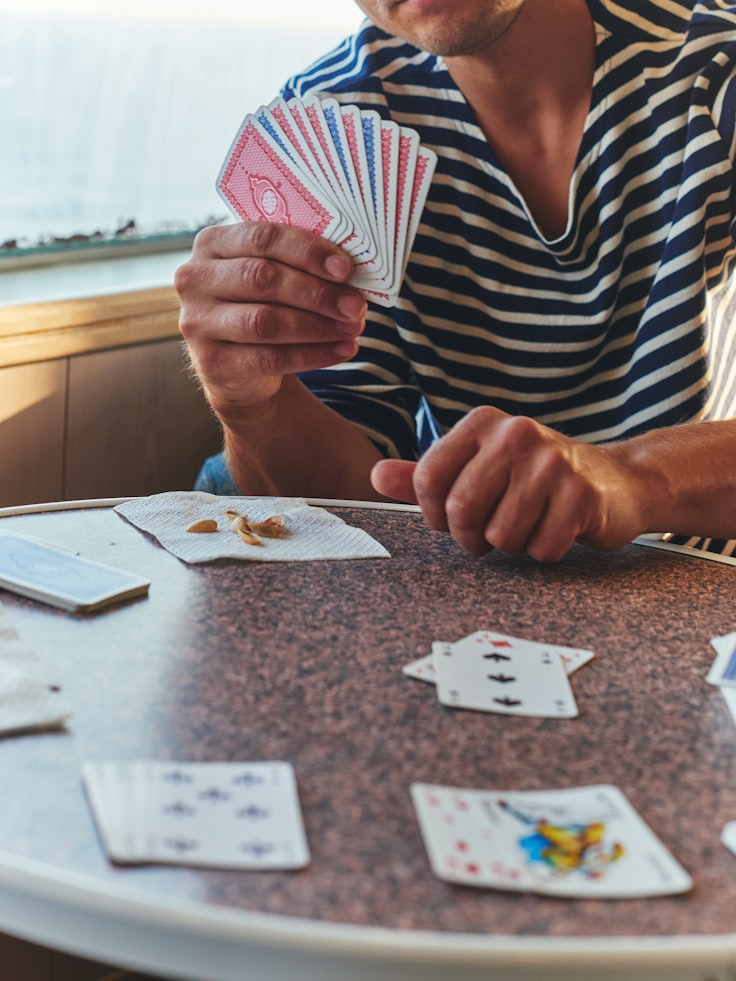
Socialization is another critical aspect of the gambling experience in a casino setting. Many people enjoy the camaraderie that comes with group gambling activities, such as poker or live table games. The presence of others can enhance the thrill of the experience, creating a sense of community and shared excitement. This social dynamic can lead to increased gambling behavior, as individuals may feel pressure to keep up with friends or peers.
The Psychological Consequences of Gambling Addiction
While many enjoy gambling as a form of entertainment, it can lead to severe psychological consequences for some individuals. Gambling addiction is a complex disorder characterized by compulsive gambling behavior, which can result in significant personal and financial issues. Understanding the psychological underpinnings of addiction is key to addressing its challenges. Individuals may gamble to escape stress or emotional pain, using it as a coping mechanism that can spiral out of control.
The repercussions of gambling addiction often extend beyond the individual, affecting families and relationships. As individuals become more entrenched in their gambling behaviors, the consequences can lead to isolation, emotional turmoil, and financial hardship. Recognizing these patterns can be essential for seeking help and understanding the profound impact of gambling on mental health.
Conclusion: The Importance of Awareness in the Casino Environment
In conclusion, the psychology of gambling in a casino environment is multifaceted, encompassing aspects such as environmental influence, chance perception, social dynamics, and the potential for addiction. Awareness of these psychological factors is essential for anyone engaging in gambling activities. Understanding how casinos are designed to influence behavior can empower individuals to make more informed choices.
Ultimately, fostering a responsible approach to gambling can help mitigate the risks while allowing individuals to enjoy the thrilling aspects of the casino experience. By recognizing the psychological elements at play, players can navigate the casino environment with a greater sense of agency and mindfulness.