
Debunking popular gambling myths What you need to know
Understanding Gambling Myths
The world of gambling is rife with myths and misconceptions that often deter individuals from making informed decisions. One prevalent myth is the belief that certain games are “due” for a win after a series of losses. This misconception is rooted in the gambler’s fallacy, where players assume that past events can influence future outcomes. In reality, each game is independent, and outcomes are governed by chance, particularly in games of pure luck like slot machines, which can be easily accessed through platforms like pikashow-in.eu.
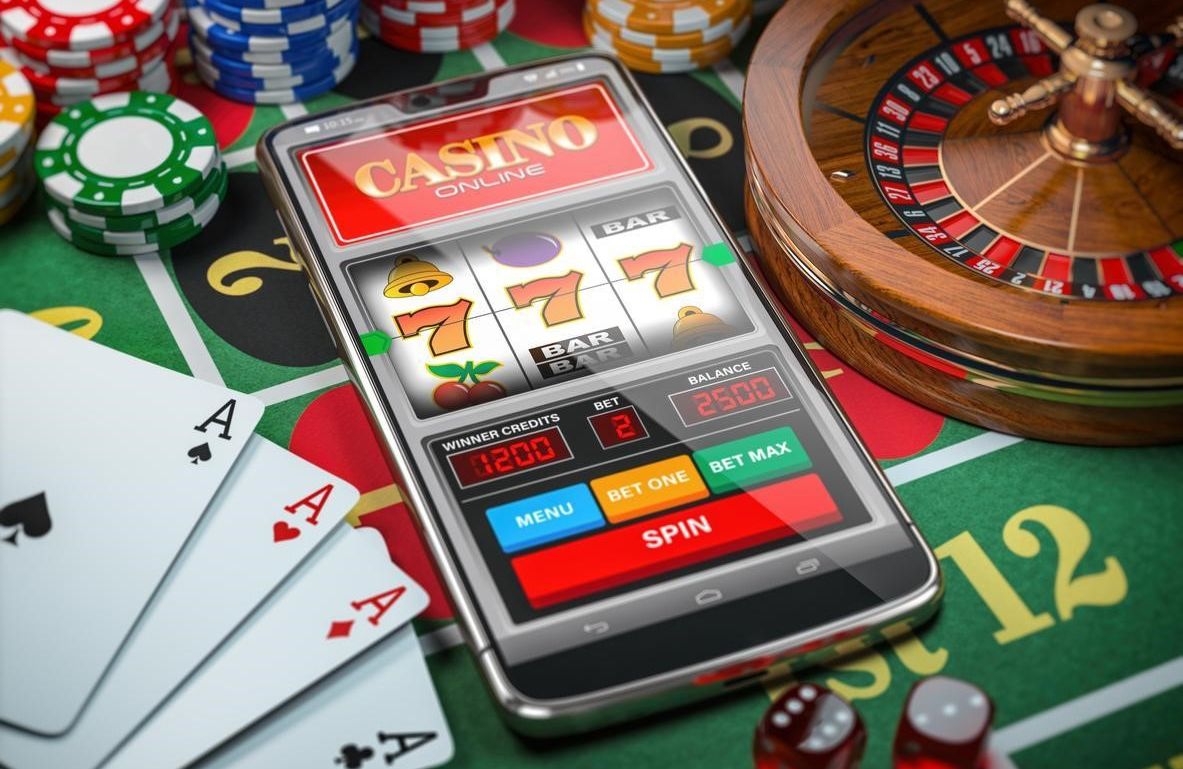
Another commonly held belief is that some players have a ‘lucky’ charm or method that guarantees wins. This myth perpetuates the idea that luck can be influenced by personal items or rituals. However, the nature of gambling is statistical, and no charm or method can alter the odds of a game. Understanding this can help players approach gambling with a more analytical mindset rather than relying on superstition.
Lastly, many people think gambling is a surefire way to make money. While it’s true that some players win substantial amounts, the majority of gamblers lose money over time. This misconception often leads to unrealistic expectations and can contribute to problem gambling. Knowing the realities of gambling can help individuals engage responsibly and enjoy the entertainment value without falling into the trap of financial mismanagement.
The Role of Odds and Probability
Understanding odds and probability is crucial for anyone interested in gambling. Many believe that the odds presented by casinos and gaming houses are designed to trick players. In reality, these odds reflect the statistical likelihood of various outcomes. For example, in roulette, the house edge ensures that the casino has a slight advantage over players, but understanding how this edge works can empower individuals to make smarter betting choices.
Another common misconception is that players can predict outcomes based on previous results, such as thinking a certain number in roulette is ‘hot’ or ‘cold.’ While tracking past results may provide an illusion of pattern, each spin is random. This randomness is built into the game, ensuring that no prior outcome can affect future results. A solid grasp of probability helps players recognize the limits of prediction in gambling.
It’s also important to understand that while games may seem straightforward, the underlying mathematics can be complex. Knowledge of probability can enhance a player’s experience by enabling them to assess risks and make informed decisions. By grasping these concepts, gamblers can enjoy the game while recognizing the reality of winning and losing in an unpredictable environment.
Myths About Strategies and Systems
A popular myth in gambling is the belief that certain betting systems can guarantee a win. Many players fall for strategies like the Martingale system, where one doubles their bet after each loss, hoping to recover all previous losses. While this may work in theory, it ignores the reality of gambling limits and the risk of significant financial loss. Systems like these can lead to disastrous outcomes, especially when players don’t have an infinite bankroll.
Another myth is that skill-based games, like poker, can be entirely mastered. While skill plays a vital role in poker, luck is still a significant factor. Players can have the best strategies but still face unpredictable outcomes due to the cards dealt. This myth can lead to overconfidence and poor decision-making, as players might underestimate the role of chance in their results.
Lastly, some believe that betting more money on a favored outcome increases the chances of winning. This is a misunderstanding of how probability works; wagering larger amounts does not improve the odds of a particular outcome occurring. Instead, players should focus on responsible betting practices and recognizing the inherent risks involved in gambling, ensuring that they approach games with realistic expectations.
Societal Perceptions of Gambling
The societal perception of gambling often influences how individuals view their own gambling habits. Many people consider gambling a vice or a sinful activity, leading to stigma around those who engage in it. This negative perception can discourage individuals from seeking help when they develop gambling-related issues. Understanding that gambling can be a form of entertainment rather than solely a destructive behavior can help reshape these societal views.
Additionally, the myth that only certain types of people become addicted to gambling persists in society. In reality, gambling addiction can affect anyone, regardless of their background or socioeconomic status. Recognizing that gambling addiction is a complex issue can foster empathy and support for those struggling with it, encouraging more open conversations about responsible gambling practices.
As online gambling becomes increasingly popular, societal views are also evolving. The accessibility of online platforms presents new challenges and opportunities for responsible gambling. Awareness of the potential risks associated with online gambling is essential to counteract these misconceptions, ensuring that players understand the importance of setting limits and recognizing when to seek help.

Understanding Resources and Support
For those involved in gambling, understanding available resources and support can be critical. Many players may not be aware that organizations exist to help individuals struggling with gambling addiction. Resources such as hotlines, counseling, and support groups provide essential tools for those who need assistance. Seeking help is a sign of strength, and these resources can guide individuals towards healthier gambling habits.
Educational programs focused on responsible gambling can also play a vital role in demystifying gambling myths. By providing accurate information about the risks and realities of gambling, these programs empower individuals to make informed choices. Educational resources can also tackle the stigma associated with gambling addiction, promoting understanding and encouraging individuals to seek help without fear of judgment.
Moreover, many online gambling sites are incorporating responsible gaming features, such as self-exclusion tools and deposit limits. Understanding these tools can help players maintain control over their gambling activities. Familiarizing oneself with available resources and support systems is essential in promoting a healthy and balanced approach to gambling.