
Understanding the psychology behind gambling risks and rewards
The Allure of Risk and Reward
The dynamic of risk and reward is central to the allure of gambling. Humans are naturally drawn to the excitement that accompanies taking risks, and gambling encapsulates this thrill. The potential for winning large sums of money can ignite a euphoric feeling, often referred to as the “gambling high.” This sensation triggers the brain’s reward centers, making players more likely to chase after that next win, even if it means risking their losses. If you’re curious about the specifics, you can click here to learn more about the various options available.

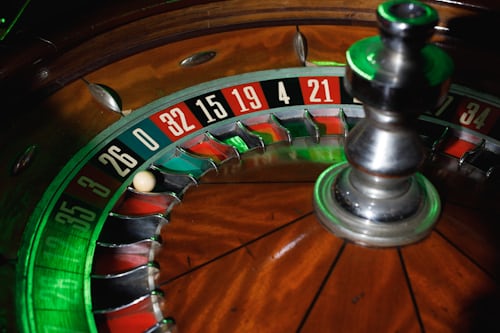
Moreover, the unpredictability of outcomes adds to the thrill. The uncertainty inherent in gambling, whether it’s rolling dice or spinning a roulette wheel, stimulates curiosity and anticipation. As players engage in the activity, they often become hyper-focused on the possibility of winning, leading them to overlook the potential dangers associated with gambling. This psychological phenomenon is deeply rooted in the human experience and can significantly influence gambling behavior.
The Role of Cognitive Biases
Cognitive biases play a crucial role in how individuals perceive gambling risks and rewards. One of the most common biases is the illusion of control, where gamblers believe they can influence the outcome of random events. This belief can lead to overconfidence, prompting players to take greater risks under the assumption that their actions will yield favorable results.
Another prevalent bias is the gambler’s fallacy, which is the mistaken belief that past outcomes can influence future events in games of chance. For example, if a player witnesses a series of losses, they might assume a win is “due,” leading them to wager larger amounts. These cognitive distortions not only affect decision-making but can also escalate gambling habits, causing individuals to chase losses and continue playing despite unfavorable odds.
The Social and Cultural Context of Gambling
The social and cultural context surrounding gambling significantly impacts how individuals approach risks and rewards. In many cultures, gambling is not only an entertainment activity but also a social event that fosters connections among participants. This communal aspect can create a sense of belonging, further fueling the desire to engage in gambling.
Additionally, cultural attitudes toward gambling can shape perceptions of risk. In some societies, gambling is viewed as a rite of passage or a traditional practice, which can normalize high-risk behavior. As a result, individuals may feel more inclined to engage in gambling activities, often underestimating the risks involved due to societal acceptance. This cultural significance can create a cycle where the allure of gambling is continuously reinforced, impacting individuals’ psychological responses to risk and reward.
The Emotional Rollercoaster of Gambling
The emotional landscape of gambling is complex and multifaceted. The highs of winning can create feelings of euphoria, while losses often bring about disappointment and frustration. This rollercoaster of emotions can be addictive; players may find themselves returning to gambling in search of the exhilarating highs, despite knowing the potential for losses.
Furthermore, the emotional impact of gambling can lead to compulsive behavior. When individuals associate gambling with a source of happiness or a way to escape from stress, they may become trapped in a cycle of continuous play. Understanding these emotional undercurrents is vital for recognizing the psychological risks associated with gambling and the challenges faced by individuals who struggle with problem gambling.
Exploring Further on Our Website
Our website aims to provide insights into the psychological aspects of gambling, including understanding its risks and rewards. By delving into the complexities of gambling behavior, we seek to empower individuals with knowledge that can help them make informed choices. We explore various facets of gambling psychology, including cognitive biases, emotional influences, and cultural contexts.
By fostering awareness of these critical elements, we hope to promote healthier gambling habits and encourage responsible play. Whether you’re an occasional player or someone looking to understand the broader implications of gambling, our resources are designed to support your journey through this fascinating field.